Terracotta Lighting for Cafes and Boutique Hotels: How to Create a Space Guests Remember
Guests rarely say, “The lighting here is great.” They say, “I love this place,” and then stay forty minutes longer than they planned. That gap between what people notice and what actually shapes their mood is where light does its quiet work.
If you run a cafe or manage a small hotel, you have probably seen a beautiful room feel cold because the light was wrong. Harsh white tubes flatten food and faces. Dark corners make a space look unfinished. Terracotta lighting for cafes and boutique hotels fixes much of this at once, because fired clay does something glass and metal cannot: it softens the beam, warms the colour, and throws textured pools of light that make a room feel lived in rather than staged.
This guide covers where these fixtures work best, how to plan heights and bulbs, which mistakes to avoid, and how to mix different lamp types across a property. It is written for owners, designers and hospitality managers who want decisions they can act on.
Why Terracotta Works So Well in Hospitality Spaces
Clay has one specific talent: it softens whatever passes through it or bounces off it. A bare LED bulb gives a hard, directional beam. Put the same bulb inside a clay shade and the light spreads gently, picks up a warm orange-brown tint, and lands on tables and faces with far less glare. In hospitality lighting, that is exactly the effect you want, and it is why terracotta lamps keep turning up in places that aim to feel relaxed rather than polished.
Character matters too. Guests judge a place in seconds, and a handmade object tells them someone cared about the details. Small variations in carving, glaze or shape are part of the charm. In a market full of identical catalogue fixtures, handcrafted terracotta pendant lights stand apart, and they photograph beautifully, which is a quiet advantage for Instagram-worthy cafe interiors.
Here is what the material brings to a room:
- Warm diffusion: clay shades cut glare and give a candle-like spread that flatters food, skin tones and timber furniture.
- Pattern and shadow: carved or perforated surfaces throw soft patterns across walls and ceilings, so the fixture decorates the room even at low brightness.
- A natural palette: burnt orange, sand, black and muted pastels sit comfortably with wood, cane, jute and brass, which makes terracotta a dependable base for rustic cafe decor and earthy interior design.
- A sustainability story: fired clay is a natural, long-lasting material, so it supports guests’ interest in eco-friendly lighting without sounding like a slogan.
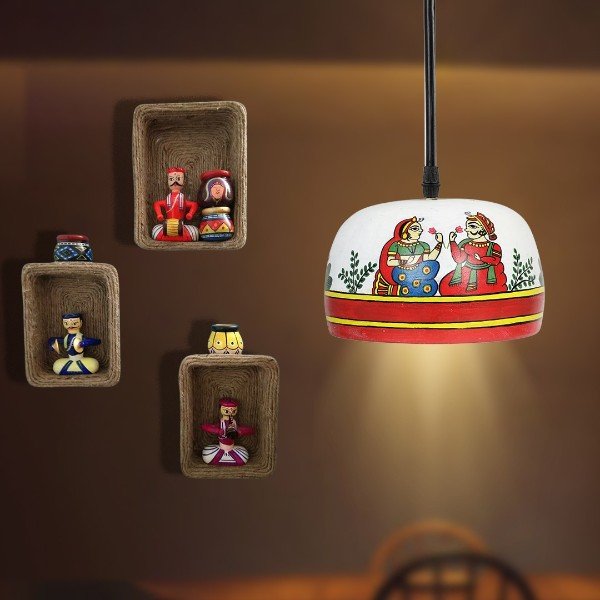
- Regional craft value: floral and wave motifs inspired by Rajasthani handicrafts give a property a sense of place that imported fixtures rarely manage.
It is not right for every corner. Clay is heavier than fabric or thin metal, it can chip if handled roughly, and it should not hang directly over a deep fryer or open grill where grease will settle on it. Knowing these limits early separates a good lighting plan from an expensive mistake.
Where to Use Terracotta Fixtures, Zone by Zone
Good cafe interior lighting ideas start with zones, not products. Divide the space by what guests do there, then pick the fixture that suits that behaviour.
1. Above communal tables and long counters
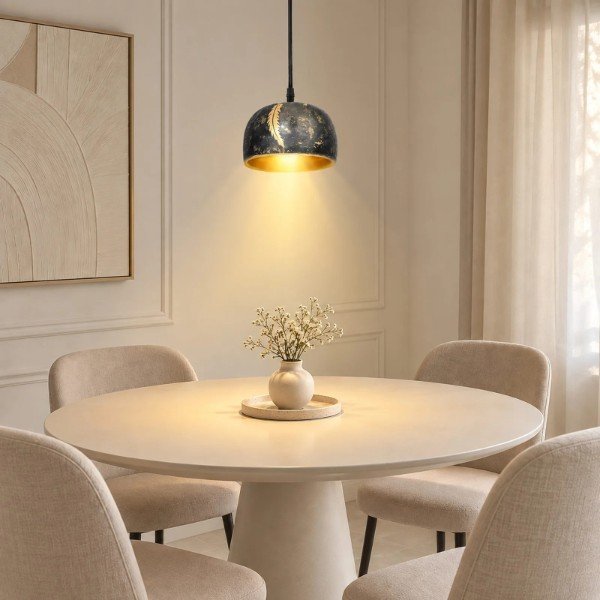
This is where pendant lamps earn their place. Two or three over a long table create a visual anchor and define the seating area without building a wall. If you hang a cluster, vary the drop by a few inches so the group looks organic instead of rigid. Keep the lower edge out of the seated eye line so nobody has to lean sideways to have a conversation.
2. Entrance and reception
Your entrance has about five seconds to set expectations. One large statement piece, or a tight group of hanging lamps at different heights above the reception desk, tells guests what kind of place this is before anyone says hello. These lobby lighting ideas work best when paired with a soft wall glow, so the desk does not feel like it sits under a spotlight.
3. Hotel corridors and staircases
Long corridors can feel clinical. Repeating one fixture at even intervals gives the passage a rhythm, and warm light softens the walk to the room. On stairs, choose shades with closed or patterned sides so nobody gets direct glare when they look up. This is a classic piece of boutique hotel lighting design: the journey to the room matters as much as the room itself.
4. Lounge corners, reading nooks and breakfast areas
Lower, softer light invites people to settle in. Here, terracotta ceiling lamps hung a little lower than usual, over a pair of armchairs or a corner banquette, create a pocket of intimacy inside a larger room. Add a table or floor light for reading, so the overhead piece provides mood and the second light provides function.
5. Covered and semi-open seating
Verandas and courtyards suit clay because the material looks natural outdoors. For lighting for outdoor seating, pick sealed or glazed finishes, use fittings suited to humidity, and keep the fixtures out of direct rain. If your area gets monsoon splash, plan for easy removal during heavy weeks.
Read Also: Pairing Terracotta Wall Lamps With Different Interior Styles
Match the Fixture to the Job: A Layering Guide
A common mistake is treating the ceiling as the only place light can come from. Layered lighting is what makes a room feel designed. Ambient lighting sets the overall level, accent lighting highlights textures and features, and task lighting helps people read menus or complete check-in. Different lamp types cover different layers. In rooms with low ceilings, flush-fitting ceiling lamps save headroom, while suspended fixtures suit anything above nine feet.
| Fixture type | Lighting layer | Best spot in a cafe | Best spot in a hotel |
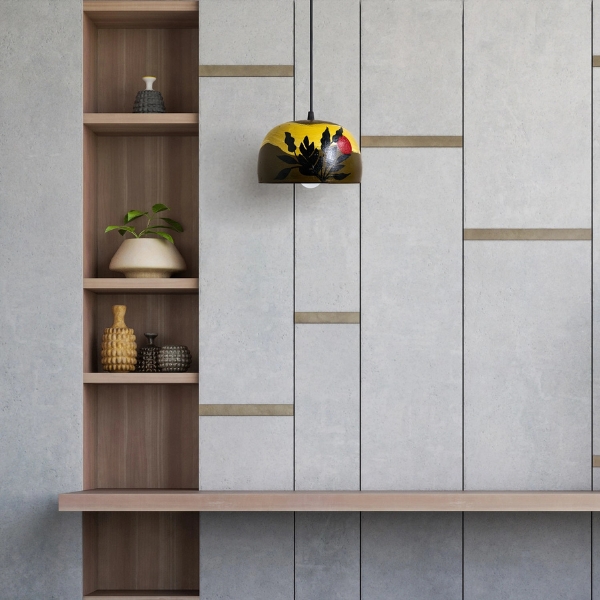
| Suspended | Ambient and feature | Over tables, counters and the entrance | Lobby, restaurant, stair void |
| Flush or semi-flush | Ambient | Low-ceiling rooms, narrow seating areas | Corridors, rooms under nine feet |
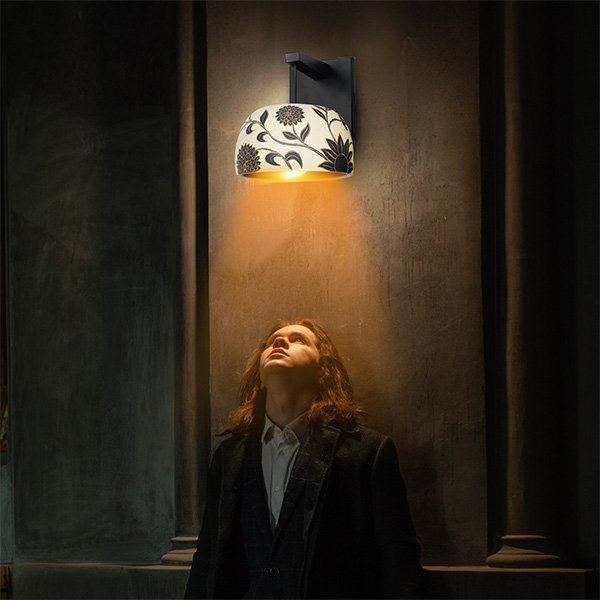
| Wall-mounted | Accent | Plain plaster or brick walls, booth seating | Corridors, bedsides, dressing areas |
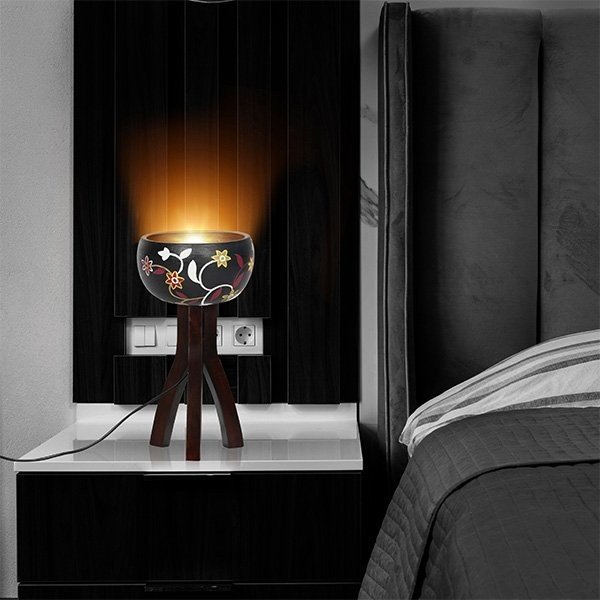
| Tabletop | Task and mood | Window sills, bar ends, two-seater tables | Bedside, reading corners, consoles |
| Decorative accent pieces | Decorative | Shelves, display ledges | Reception desk, library, suite living area |
Wall lamps work harder than most owners expect. Beside booths or along a blank wall they add depth without using any table space. Table lamps bring intimacy to window seats and bedside tables, and a few home decor lamps on a lobby console give waiting guests something pleasant to look at.
Terracotta vs Other Materials: An Honest Comparison
Clay is not the only choice, and each material has its place. This comparison should help you decide where terracotta makes sense and where something else does the job better.
| Feature | Terracotta | Glass | Metal | Rattan or cane |
| Light quality | Soft, warm, diffused | Bright, glaring unless frosted | Directional, higher contrast | Dappled, patterned |
| Look and feel | Earthy, handmade | Sleek, modern | Industrial or classic | Natural, boho |
| Weight | Medium to heavy | Medium | Light to medium | Very light |
| Humidity or outdoor use | Good if sealed or glazed | Good | Can rust if untreated | Poor, may warp |
| Cleaning | Dry dusting | Easy wipe | Easy wipe | Traps dust |
| Best for | Cozy cafes, heritage and boutique stays | Contemporary bars, upscale dining | Loft and industrial themes | Beach and boho themes |
| Watch out for | Chipping, heavy fixings | Fragility, fingerprints | Heat, glare | Fire safety, moisture |
Planning Checklist: The Numbers That Matter
These are widely used interior lighting guidelines. Adjust them to your room, and have a licensed electrician approve all wiring and fixings.
- Hanging height: over a table, keep the bottom of the fixture roughly 30 to 36 inches above the table top. If you are asking how high to hang pendant lights over a table, start here and raise it for tall guests or large shades.
- Spacing: leave about 24 to 30 inches between fixtures over a long table, and keep the outer lights at least a foot inside the table edge.
- Colour temperature: choose warm white lighting at 2700K for dining and lounge areas. Lobbies can stretch to about 3000K for a slightly crisper welcome.
- Colour accuracy: food looks better under bulbs with a CRI of 90 or above. Cheap bulbs can make a good dish look dull.
- Dimming: install a dimmable LED setup so brightness can move from bright morning service to a gentle evening mood. Check that bulb and dimmer are compatible, or you will get flicker.
- Weight and fixing: clay is heavier than it looks. Confirm that the ceiling point and junction box can carry the load.
- Ceiling height: many handcrafted fixtures are designed for ceilings up to around 12 feet, so confirm the drop length before ordering for double-height spaces.
Mistakes That Quietly Hurt a Lighting Plan
- Putting too many fixtures in one zone. Five medium pieces can look cluttered where three would feel generous.
- Choosing cool white bulbs, then wondering why the clay looks grey and the room feels like a clinic.
- Hanging lights low enough to block sightlines across the room.
- Ignoring grease and dust near open kitchens.
- Mixing too many finishes. Pick one dominant colour and one accent.
- Skipping the sample. View one piece in your own space before committing to twenty.
Care and Upkeep in a Commercial Setting
Unlike home use, commercial spaces see more dust, more footfall and more cleaning staff, so build a simple routine. Dust weekly with a dry soft brush or microfibre cloth. Avoid soaking and harsh chemicals, which can dull the finish on clay lamps. Check holders and cables every few months, and replace bulbs with the same type. Keep a few spare units, because small production batches can vary slightly in tone.
Ordering for a Property: Custom Work, Bulk Quantities and Lead Time
If you are fitting out more than a few tables or rooms, treat the purchase like a project. Fired clay is shaped and finished by hand, so batches can differ a little. Ordering everything together, with spares, keeps the look consistent. Ask for a sample first, confirm drop length and cable colour, and agree on packing, since breakage in transit is the most common problem with any clay product. Many studios will quote custom terracotta lamps in specific sizes, patterns or colours, and will price a bulk order more sensibly than a retail cart.
Planning a Lighting Makeover? Talk to a Specialist First
A lighting plan looks simple on paper and gets complicated once a real ceiling, real furniture and real guests are involved. Beam spread, shadow pattern, ceiling load and bulb choice all affect each other. A short consultation before you buy can save you from re-hanging fixtures after opening day.
To get useful advice quickly, share the following:
- Photos of the space and the ceiling height
- A rough floor plan or seating layout
- Your theme and colour palette
- The number of tables or rooms to be lit
- Budget range and opening timeline
- Whether the area is indoor, semi-open or outdoor
With that information, a consultant can suggest fixture types, sizes, drop lengths and quantities for each zone, so you see a plan before you see an invoice.
Frequently Asked Questions
1. What is the best lighting for a cafe that wants a cozy feel?
Layered, warm light. Use soft pendants over tables for the main glow, add wall or tabletop lights for depth, and put everything on dimmers. Keep bulbs near 2700K and avoid exposed filaments at eye level.
2. Which colour temperature suits a boutique hotel lobby?
Between 2700K and 3000K suits most lobbies. Go toward 3000K at the reception desk if you want a crisper look, and stay near 2700K around seating. Keep it consistent so the space does not look patchy.
3. Are clay fixtures safe for commercial use?
Yes, when installed properly. Use LED bulbs, which run cool, choose correct holders, fix to rated ceiling points, and let a licensed electrician handle the wiring. Check cords periodically, especially in humid areas.
4. How low can pendants hang above a cafe table?
Keep the bottom edge about 30 to 36 inches above the table top. Lower than that and guests lose eye contact across the table. Higher, and the light spreads too wide and loses its intimacy.
5. Can terracotta lighting be used outdoors?
In covered or semi-open areas, yes, if the piece is sealed or glazed and the fittings suit humid conditions. Avoid direct rain, and take pieces down or cover them during heavy monsoon weeks.
6. How many fixtures does a 20-seat cafe need?
There is no fixed number. A practical starting point is one pendant per table, or one every 30 inches over long tables, plus two or three wall lights for depth. Sketch the layout first and test with temporary bulbs.
7. Will they suit a minimalist cafe interior?
Yes. Plain finishes in sand, black or white keep the look restrained while adding warmth. Use fewer pieces, space them cleanly, and let the shape do the talking.
8. How do I clean and maintain them?
Dust weekly with a dry, soft brush or microfibre cloth. Avoid soaking or harsh chemicals. Check holders and cables every few months, and keep spare units on hand in case of breakage.
9. Can I get custom sizes, colours or bulk quantities?
Handmade pieces can usually be adjusted for size, pattern and finish. Share your ceiling height, quantity and timeline, and ask for a sample before confirming the full order.
10. How do I choose between suspended, wall and tabletop lights?
Match them to the job. Suspended fixtures give the main glow, wall-mounted ones add depth along plain walls, and tabletop ones bring intimacy to window seats and bedside spots. Most spaces need a mix of all three.s