How to Pick the Perfect Lamp for Every Space
Have you ever walked into a room that just felt wrong, but you could not figure out why? The furniture is nice, the paint looks good, but the room feels cold, lonely, or just uncomfortable.
Most of the time, the problem is the lighting.
Many people think about lighting last. We buy a lamp just because we need to see when it gets dark outside. But lighting is actually the most important part of decorating a home. It sets the mood, makes small rooms look bigger, and makes you want to sit down and relax.
Picking the perfect lamp is not just about finding something pretty at the store. It is about matching the right kind of light to the things you do in that room. Let’s look at how to pick the perfect lamps for every space in your home using simple, easy steps.
The Big Secret: The Three Layers of Light
Before we talk about different rooms, we need to learn the golden rule of home lighting. You should never use just one big light to do all the work in a room. Instead, you should mix three different layers of light:
- Ambient Light (General Light): This is your main light. It usually comes from ceiling lamps or big light fixtures. It fills the room so you can walk around safely without tripping over things.
- Task Light (Working Light): This is a bright, focused light meant for specific jobs. Think of a desk lamp for studying, a reading light by your bed, or bright lights over the kitchen counter.
- Accent Light (Mood Light): This is a soft light used to make a room feel cozy. It can highlight a beautiful painting, a nice plant, or just make a dark corner look warm.
When you mix these three layers together, your home instantly feels cozy and welcoming. Now, let’s see how to do this room by room.
The Living Room: Making a Cozy Space for Everyone
The living room is the busiest place in the house. One afternoon you are hosting a family party, and that evening you are curled up on the couch watching a movie. Your lights need to be ready for both.
Why Table Lamps Are the Best
For a living room, Table Lamps are your absolute best friends. Do not rely on big, bright overhead lights when you want to relax. Instead, place Table Lamps on side tables next to your sofa or chairs.
These lamps sit at eye level. This placement creates a very soft, warm glow that makes people want to sit down and talk.
An Easy Rule to Remember: When you sit down on your sofa, the bottom of the lampshade should be at your eye level. If the lamp is too tall, the bright bulb will shine directly into your eyes. If it is too short, the light will not spread far enough for you to read comfortably.
Lighting Up the Corners
Every living room has that one dark, empty corner that feels a bit dead. You can easily fix this by adding a tall floor lamp. A floor lamp takes up very little floor space, but it throws light upward and outward, making the whole living room look much larger than it actually is.
The Bedroom: Creating a Quiet Retreat
Your bedroom should be a place where you can leave all your stress behind. It is a place for resting and sleeping, which means you must avoid bright, harsh white lights.
Bring in Natural Materials
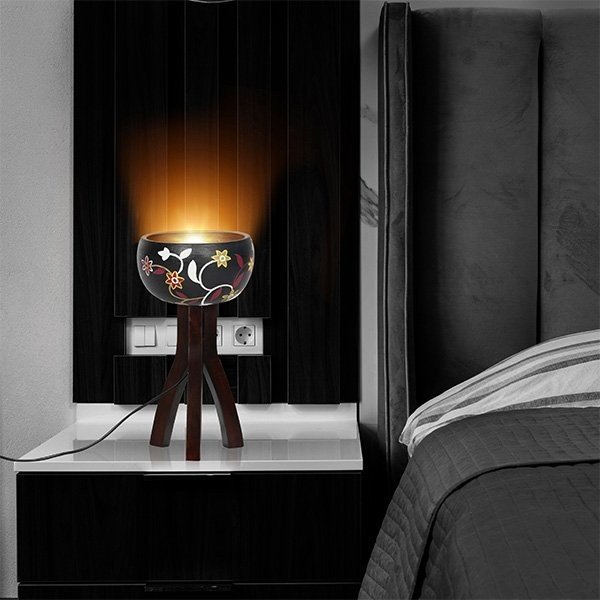
If you want your bedroom to feel peaceful, grounding, and close to nature, look for lamps made from natural materials. Lately, terracotta lamps have become incredibly popular for bedrooms, and it is easy to see why.
The rich, clay texture of terracotta lamps adds an earthy, rustic feel to your bedside table. When you turn them on, the warm clay colors glow beautifully, making your bedroom feel like a cozy cabin or a luxury hotel. They look wonderful when paired with linen sheets and wooden furniture.
Save Space on Your Nightstand
If your bedside tables are small, you might not have room for a big lamp, your book, your glasses, and a glass of water. This is where wall lamps come in handy.
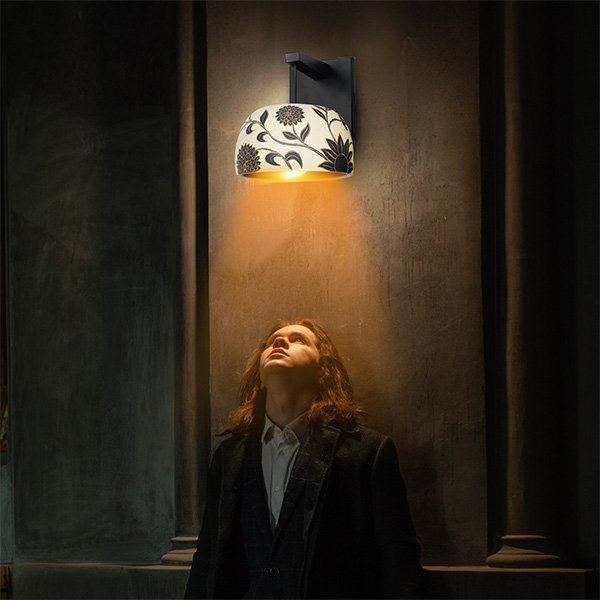
By attaching wall lamps directly to the wall just above your pillows, you keep your table completely clear. Look for swing-arm wall lamps that you can pull close to you when you are reading, and push back against the wall when you are ready to sleep.
The Dining Room and Kitchen: Where Function Meets Fun
Kitchens and dining rooms need completely different types of light. The kitchen is a workspace where you use sharp knives and hot stoves. The dining room is a social space where you sit down to enjoy a meal.
The Dining Room Showstopper
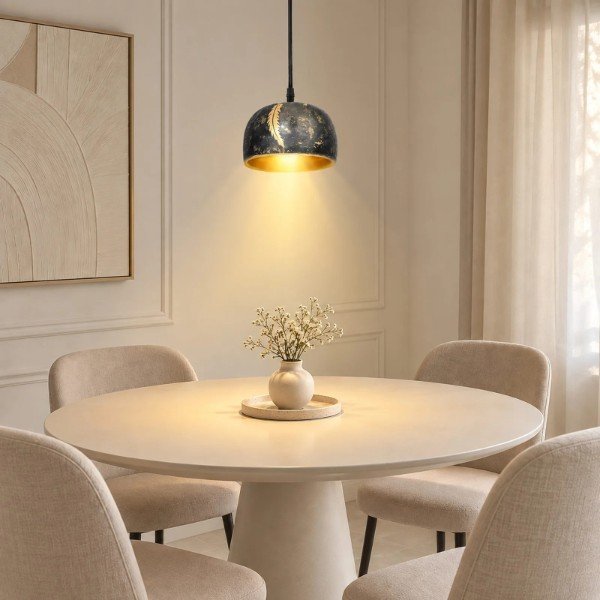
In the dining room, the table is the star of the show. You want to hang beautiful ceiling lamps directly over the middle of the table. A large pendant light or a modern chandelier acts like a beautiful piece of art that anchors the room.
- The Height Rule: Make sure your hanging ceiling lamps sit about 30 to 36 inches above the top of your dining table. This gives you plenty of light for your meal, but keeps the lamp high enough so you can easily see the faces of the people sitting across from you.
Bright Lights for Kitchen Work
In the kitchen, you need clear visibility. Use bright, flush-mount ceiling lamps to light up the whole room. To make cooking easier, add small LED light strips under your upper cabinets. These cast bright light directly onto your countertops so you can safely chop vegetables and read recipes.
Hallways and Entryways: The First Impression
Your entryway is the very first thing people see when they walk into your house. It should feel like a warm hug.
Because hallways and entryways are usually small and narrow, you have to be smart with your choices:
- Use a flat, flush-mount ceiling light so tall guests do not hit their heads.
- Place a small, slim table lamp on a narrow console table near the door. Leave this lamp on in the evening so you never have to walk into a dark house.
- If your hallway is very long, install a row of matching wall lamps down the path. This makes a boring hallway look like a beautiful art gallery.
Quick Guide: Matching Your Lamps to Your Furniture
To keep your home looking neat and well-designed, you want to make sure your lamps match the size of your furniture. A huge lamp on a tiny table looks funny, and a tiny lamp next to a giant sofa gets lost. Use this simple guide when you go shopping:
| Where Are You Putting It? | Best Type of Lamp | How Tall Should It Be? |
| Large table next to a sofa | Large Table Lamp | 26 to 34 inches |
| Bedside nightstand | Medium Table or Wall Lamp | 20 to 28 inches |
| Entryway console table | Slim, Tall Table Lamp | 24 to 30 inches |
| Corner of a room | Floor Lamp | 58 to 64 inches |
Don’t Be Afraid to Show Your Style
While rules and measurements are helpful, the most important thing is that you love the way your home looks. Do not feel like you have to buy matching sets of lamps from a furniture catalog. Mixing different styles makes your home look unique and lived-in.
For example, a sleek, shiny metal floor lamp can look amazing next to an old leather chair. A pair of textured terracotta lamps can add a beautiful pop of warmth to a very modern, white-walled room.
Tonight, wait until the sun goes down and walk through your house. Look for the dark, sad areas. Think about how a new table lamp, a hanging ceiling light, or a cozy wall light could bring that space to life. You will be surprised by how much happier and cozier your home feels with the right light.
Frequently Asked Questions
1. What color lightbulb should I buy for my lamps?
When shopping for bulbs, look at the “color temperature” on the box. For cozy rooms like bedrooms and living rooms, buy Warm White bulbs (around 2700K). They give off a soft, yellowish glow. For busy spaces like kitchens, bathrooms, and home offices, buy Cool White or Daylight bulbs (around 4000K). They give off a bright, clear light that helps you focus.
2. Can I mix different types of metals in the same room?
Yes! You do not need all your lamps to be gold or all of them to be black. Mixing metals looks very stylish. A good trick is to pick one main metal for the room (like black) and use another metal (like brass or gold) as a small accent on one or two lamps.
3. How do I choose the right shape for a lampshade?
The easiest trick is to match the shape of the lamp base to the shape of the shade. If your lamp base is round and curvy, like many classic terracotta lamps, a round or drum-shaped shade will look perfect. If your lamp base is very square, straight, or modern, a square or rectangular shade usually looks best.
4. How high should I hang wall lamps next to my bed?
You should hang bedside wall lamps so that the bottom of the shade is about 20 to 24 inches above the top of your mattress. You want the light to shine down onto your lap or your book when you are sitting up in bed, rather than shining directly into your eyes.